New Math Finally Fixes Unstable AI Engines

How can a simple change in math prevent algorithms from exploding during complex learning tasks?
Ratio turns complex scientific research into clear, readable ideas. Explore psychology, AI, biology, and social science — without jargon.
How can a simple change in math prevent algorithms from exploding during complex learning tasks?

How can a new hybrid algorithm find the perfect balance between speed and precision?
How can a new mathematical "survey" help computers solve complex problems at light speed?
How can one mathematical breakthrough turn messy data into crystal clear medical images without manual tuning?

How can a new algorithm stop AI models from failing when the data gets messy?
How can we teach complex human-like robots to move with the fluid grace of an athlete?
How can re-imagining complex math through the lens of geometry finally solve impossible puzzles?
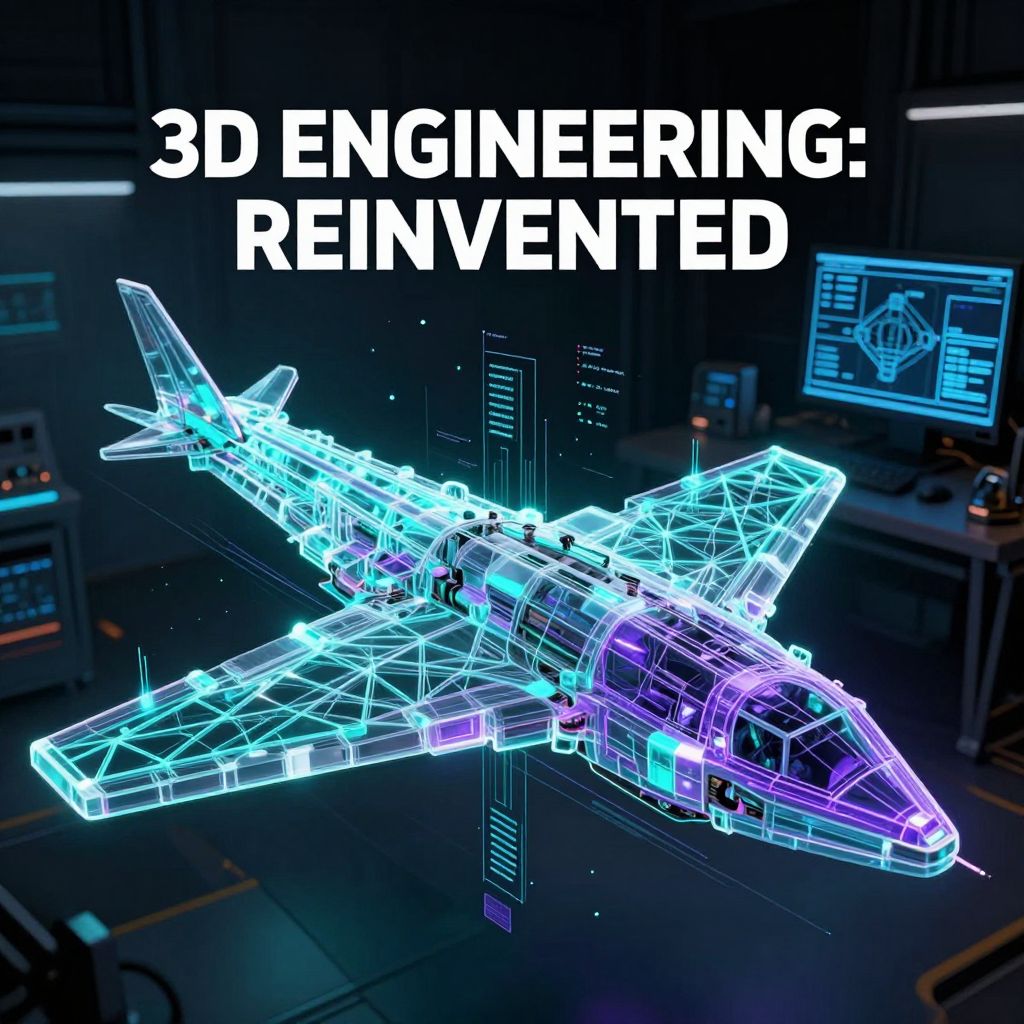
How can just 256 lines of code make building airplanes and bridges 36 times faster?
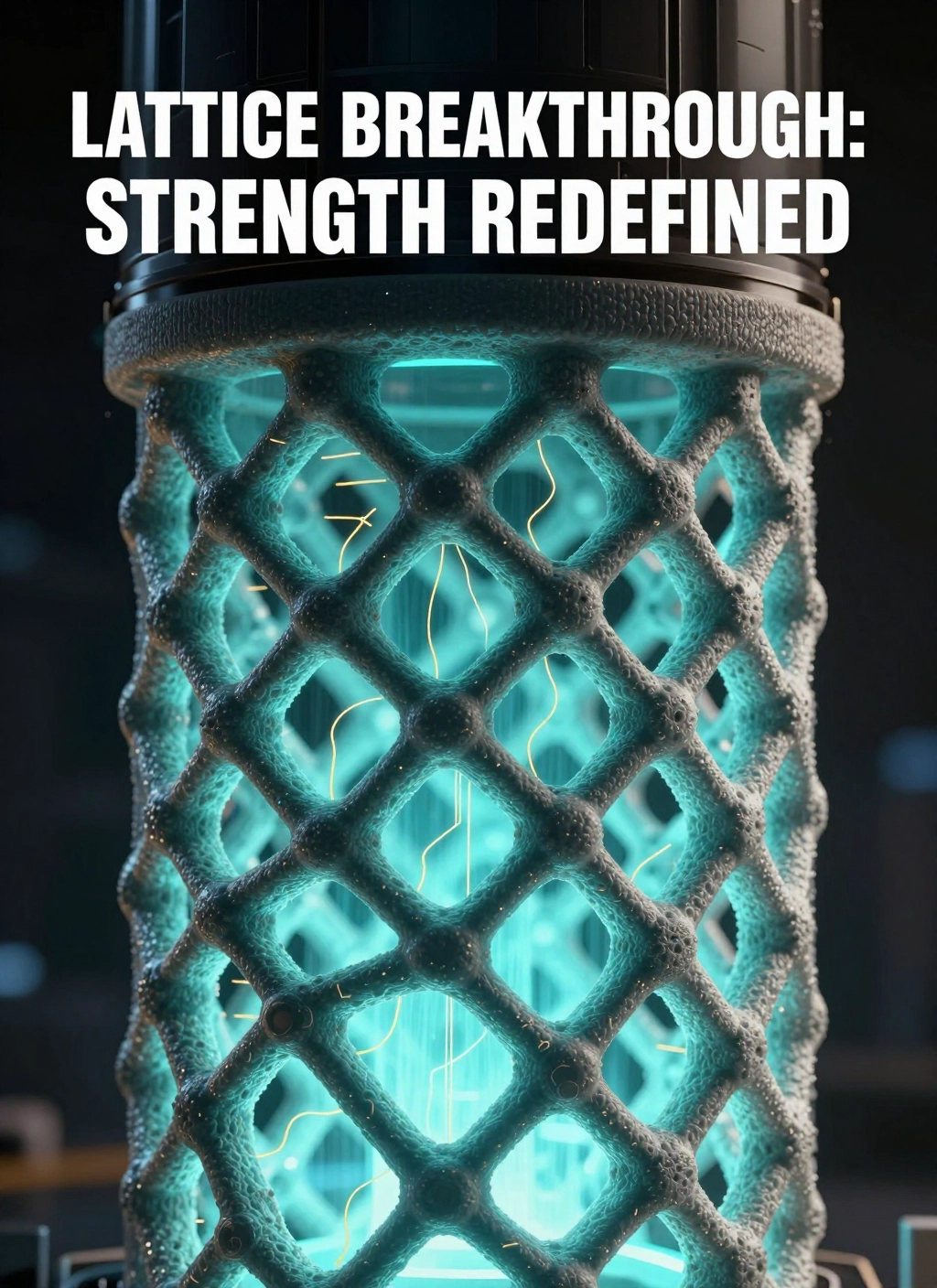
How can we build lighter structures that never snap from a single microscopic flaw?
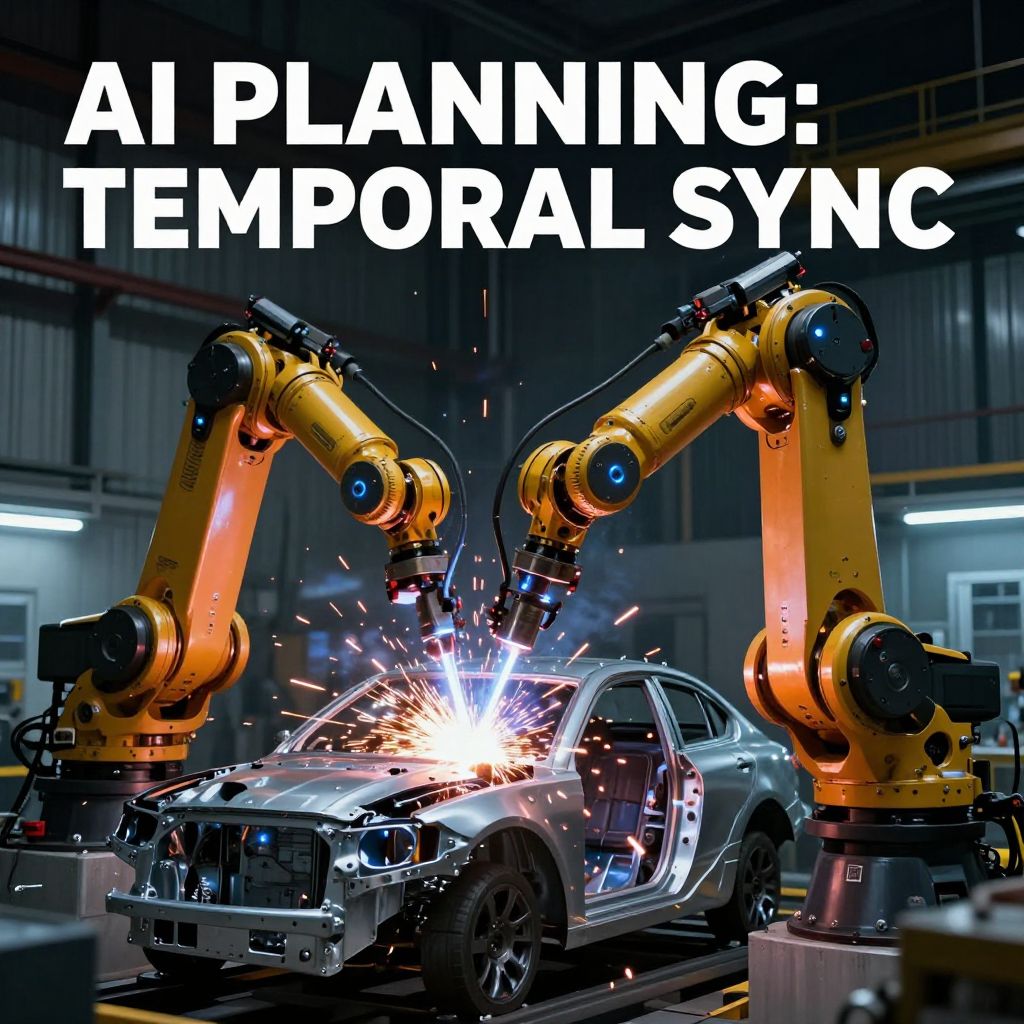
How can a new AI language teach machines to finish complex tasks perfectly on schedule?

How can a new math trick design safer skyscrapers in minutes instead of fifteen hours?

How can we guarantee that complex algorithms actually find solutions instead of spiraling into error?

How can a robot grab objects in narrow gaps where traditional systems always Fail?
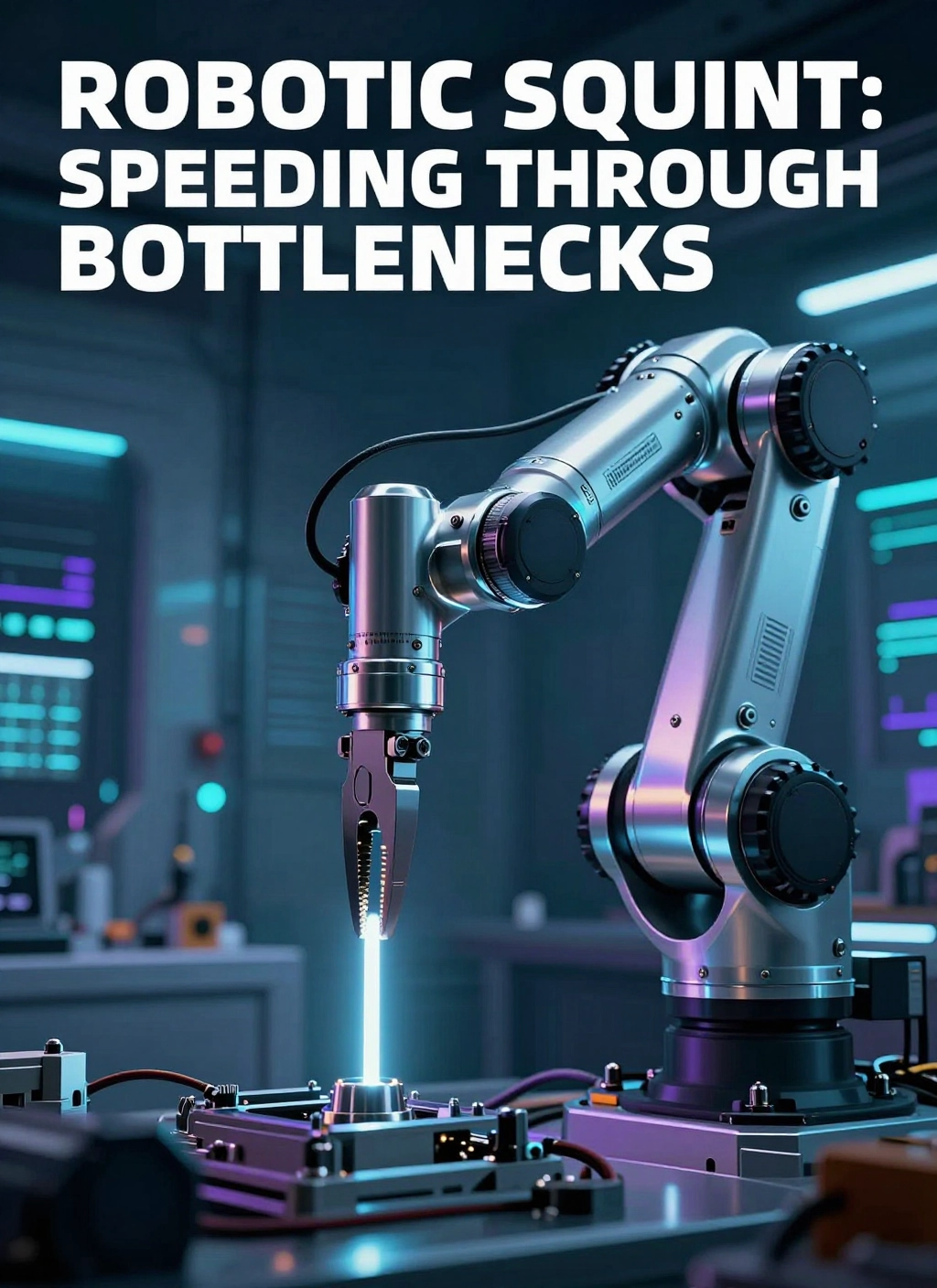
How can teaching a robot to "squint" help it move through messy rooms without freezing?
How can robots learn to move like humans without being told the rules?
Why is a robot that saves three seconds in a hospital actually a dangerous failure?

How can a racing drone decide when to trust its eyes and when to slow down?
How can we build safer robots if we can’t agree on which brain works best?
How did teaching robots self-control solve the biggest problem in autonomous city navigation?
How can a new mathematical breakthrough make industrial robots move as fluidly as human coworkers?
How can we trust robots to be safe if every scientist uses a different test?